In Central Point, The Rising Median Is New Construction, Not Rising Value
October 1, 2026
October 1, 2026
Central Point's median home price climbed almost 10 percent over the three months ending August 2026. Medford's median fell just over 1 percent in the same window. Anyone cross-shopping the two cities right now is looking at two numbers that seem to settle the question of where to buy. They don't, because the two numbers aren't measuring the same thing, and the gap between them says more about what's being built than about what any single house is worth.
That distinction matters if you're comparing a three-bedroom in Central Point to a similar one five minutes south in Medford. The headline prices will pull you toward one city. The reason behind those prices should pull you toward a specific pocket of either one.
Central Point's numbers, as of August 2026: the median sale price over the trailing three months was $443,000, up 9.9 percent from the same period a year earlier. The average house price last month was $419,000, up 8.8 percent year over year. Homes sold in an average of 15 days, down from 32 days the year before. Sixty-four homes closed in August, up from 61 the prior year.
Medford, over the same stretch: median sale price of $419,000, down 1.5 percent from a year earlier. Average house price of $415,000, down 2.1 percent. Homes took 29 days to sell on average, up slightly from 26 days the year before. Three hundred seven homes closed in August, down from 319.
Two cities that share a border, a school-age commute, and a highway exit are moving in opposite directions in the same quarter. That's not a coincidence of small sample size. It's a signal worth reading correctly before you let it decide anything.
Here's where the read gets more careful. Zillow's Home Value Index for Central Point, updated through the end of August 2026, put the typical home value at $418,391, up just 0.6 percent over the past year. That's a repeat-value estimate, tracking the same homes over time rather than whatever happens to sell in a given month. A median-of-sales number can jump nearly 10 percent while a same-homes index barely moves, and when that happens, the explanation usually isn't that every existing house suddenly gained value. It's that the mix of what sold shifted toward newer, pricier inventory.
Medford's two readings point the same direction, if not by the same amount: Zillow's index showed the typical home value at $399,169, down 3.2 percent over the past year, a steeper decline than Redfin's median-based 1.5 percent drop. Medford's softening looks consistent across both measurements. Central Point's supposed surge does not. That asymmetry is the tell. Central Point isn't getting broadly more valuable. It's selling a different set of houses than it was selling a year ago.
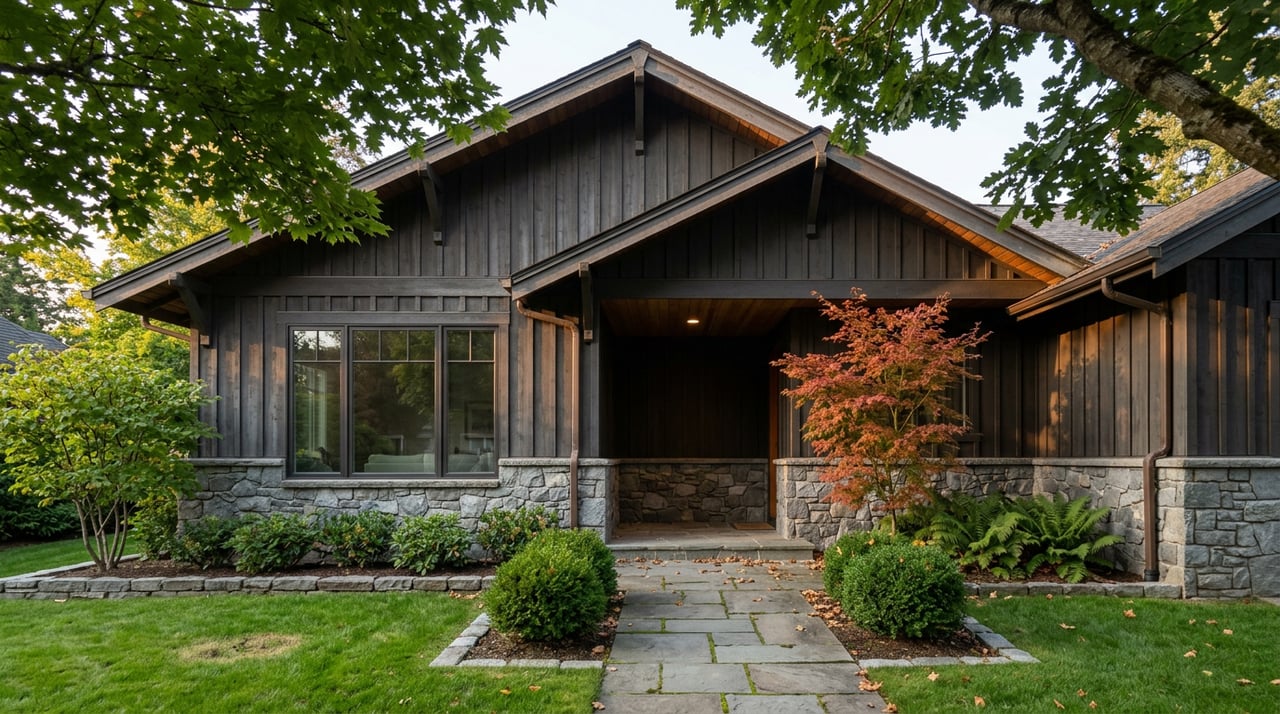
The different set of houses has a location: the city's northern quadrant. Central Point's own Urban Renewal plan has been funding infrastructure that makes previously unbuildable land buildable, and new construction has followed. Two projects explain most of it. The Bear Creek Greenway Design and Improvements project is upgrading the publicly owned corridor from East Pine Street to the Table Rock Overpass, adding walking paths, a new park system, and bicycle improvements, with work anticipated to begin in fiscal year 2025-2026. The Beebe Road Extension and Bridge project will eventually connect Beebe Road through the Jackson County Expo grounds to Penninger Road, with the intersection improvements phase anticipated to start in fiscal year 2027-2028.
Neither project is finished. That's worth sitting with, because it means part of today's price signal is anticipatory. Builders and buyers are pricing in connectivity that's still a couple of budget cycles away, not connectivity that exists yet.
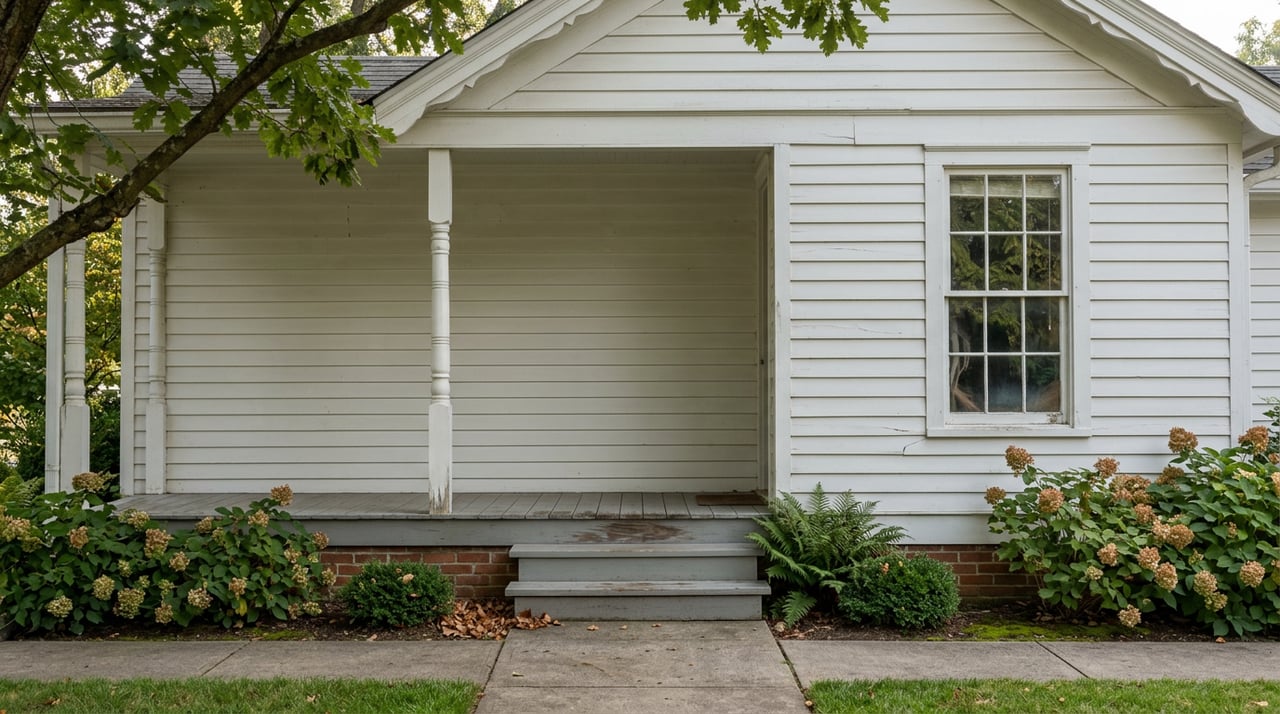
The established neighborhoods tell a calmer story than the growth corridor does. Twin Creeks is the city's most settled newer neighborhood, a mix of single-family homes clustered around the park of the same name. Cascade Meadows and Forest Glen read as quieter, family-oriented streets that have been selling steadily rather than spiking. Central Point East carries older housing stock at generally lower price points, the kind of entry-level option that doesn't show up in a citywide average built from wherever the newest closings happen to be. Beebe Woods, on the city's north side, is a smaller, tucked-away pocket with a mix of housing ages and lot sizes, sitting closest to where the road extension will eventually land.
If you're comparing listings, the build year and the specific pocket matter more than the city name on the sign.
The same pattern shows up inside Medford's city limits, which is the strongest evidence that this is a construction-era story rather than a Central Point versus Medford story. Southeast Medford, home to the area's golf-course communities and newer, larger-lot construction, posted a median sale price of $625,000 over the three months ending June 2026, up 2.8 percent year over year. North Medford's median came in at $421,000 over the same window, down 1.7 percent. Southwest Medford was softer still: a median of $379,000, down 5.3 percent, with days on market stretching from 17 to 32.
Medford's citywide figure is an average of those three very different trajectories. The golf-course corridor on the east side is behaving like Central Point's growth pockets. The older resale stock on the north and southwest sides is behaving like the rest of the region's cooling market. Blend them together and you get a citywide number that looks like modest, uniform softening, when the underlying picture is a split between newer construction holding its price and older stock giving some back.
If you end up buying in Central Point, you'll see a line item on the property tax statement labeled for urban renewal. It's worth understanding before it shows up. According to the city's own explanation, this isn't a new tax or an increase. It's a division of taxes already being paid: the growth in assessed value inside the urban renewal district gets allocated to the Central Point Development Commission to fund projects like the greenway and road work described above, rather than going to the individual taxing districts the way it would elsewhere in the city. Every property owner in Central Point already sees this line, whether their home sits in the new construction zone or not.
Nobody should read that as a warning sign. It's the same mechanism funding the infrastructure that's reshaping the northern quadrant, and it explains why growth is concentrated where it is rather than spread evenly across the city.
The job base hasn't relocated. Asante Rogue Regional Medical Center, Providence Medford Medical Center, and Lithia Motors remain concentrated in Medford, and most Central Point buyers are still commuting into that job market rather than away from it. What's changed is where new housing supply is landing to serve that same commute. Choosing the newer, pricier end of Central Point is, in practical terms, a bet that the connectivity finishes on schedule, not a discount for being closer to work.
One piece of the commute is already real rather than anticipated. The Bear Creek Greenway, a 20-mile paved trail, already connects Central Point to Medford and on to Ashland, and it's usable today regardless of how the Beebe Road timeline plays out.
When you're standing in two houses that look similar on paper, the number that should decide it isn't the city's median. It's the build year, whether the block sits inside an active infrastructure zone, and whether the price you're being asked to pay reflects a finished amenity or a promised one.
If you're weighing a home in Central Point against one in Medford, we'd rather walk both of them with you than let a citywide average make the call. The Parsagian Group knows which pockets of each city are selling on what they are today and which are selling on what they'll be in two years. Let's Connect and figure out which one fits what you're actually trying to buy.
Stay up to date on the latest real estate trends.
Get assistance in determining the current property value, crafting a competitive offer, writing and negotiating a contract, and much more. Contact me today.